

Definition of Cermets
Cermet is a structural material composed of ceramic hard phase and metal or alloy bonding phase. Cermets, from the English word Cermets, is composed of Ceramic and Metal. Ceramics not only maintain the characteristics of high strength, high hardness, wear resistance, high temperature resistance, oxidation resistance and chemical stability, but also have good metal toughness and plasticity. Since there is no clear boundary between the two terms of “cermet” and “cemented carbide”, it is difficult to divide the boundary between specific materials. From the perspective of the composition of materials, “cemented carbide” should be classified as “cermet”. With features of excellent wear resistance, high red hardness, chemical durability and lower friction coefficient, makes the lifetime of cermet 3-10 times that of normal carbide.
The history of cermets
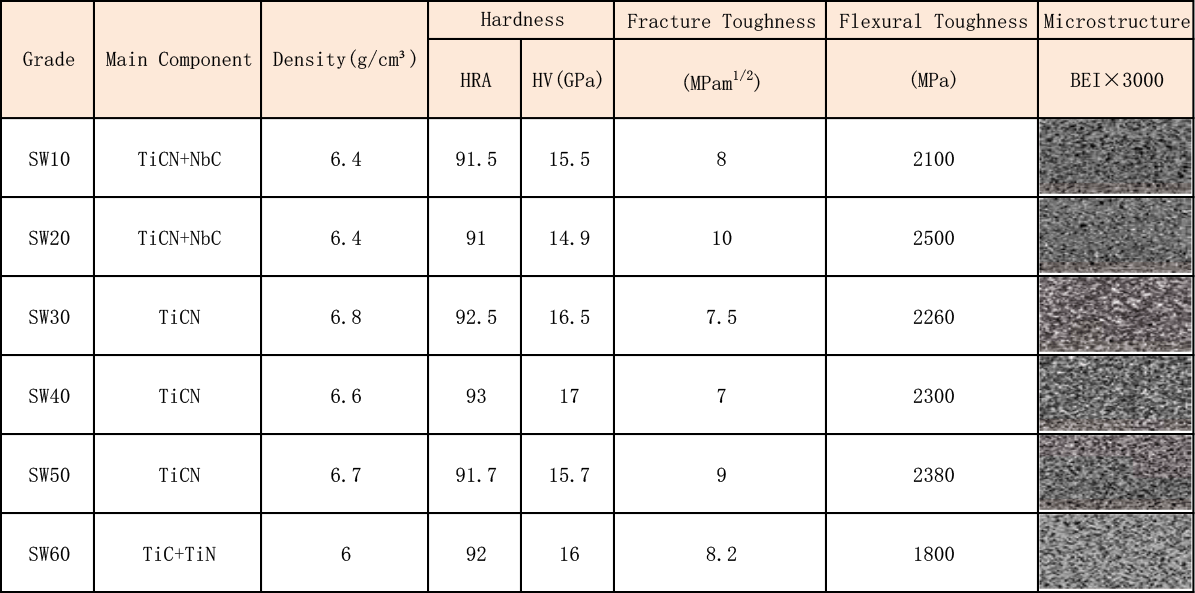
WC-Co based ceramics, as the earliest studied cermets, have been used in many fields due to their high hardness (HRC80~92) and extremely high compressive strength of 6000MPa (600kg.N/mm2). However, due to the shortage of W and CO resources, the research and development of tungsten-free cermets have gone through three generations. The first generation is during World War II, Germany produced cermets with Ni bonded to TiC. In the second generation, in the 1960s, Ford Motor Company of the United States added Mo to Ni binder to improve the wettability of TiC and other carbides, thus improving the toughness of the material. The third generation of cermet introduced nitride into the hard phase of the alloy and changed the single phase to composite phase. The bonding phase was improved by adding CO phase and other elements. In recent years, another new direction in the development of cermets is boride based ceramics. Boride based ceramics have become the most promising cermets because of their high hardness, melting point, excellent electrical conductivity and corrosion resistance.
Cermet Rods
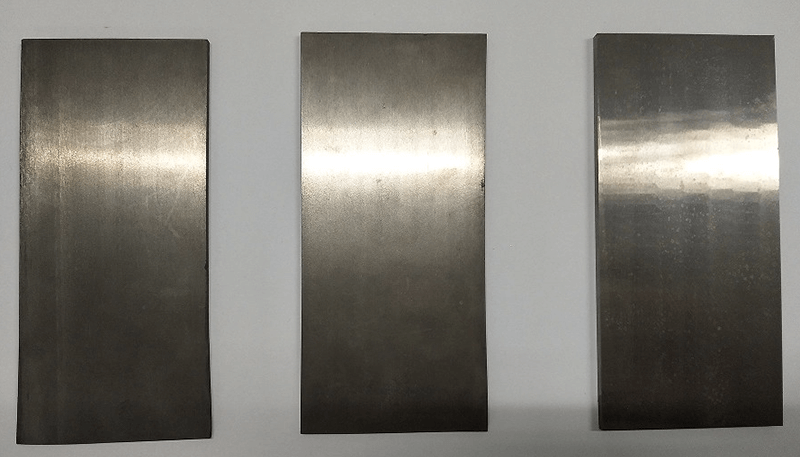
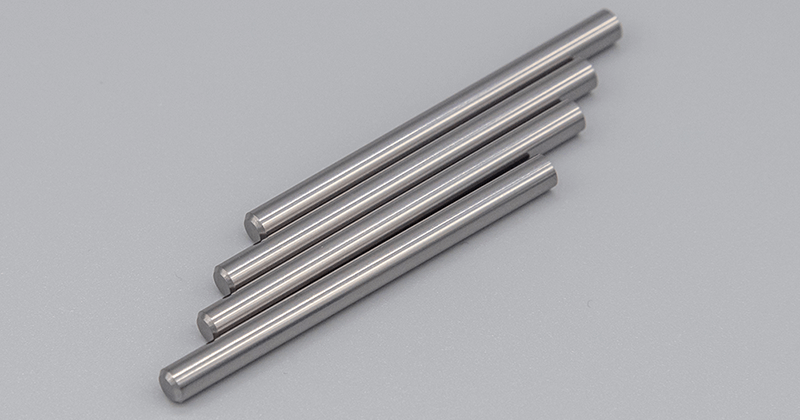
Cermet rods offer an excellent combination of hardness and toughness, making them ideal for high-speed cutting and finishing applications. These rods are designed to deliver superior wear resistance, thermal stability, and smooth cutting performance, especially in materials requiring a fine surface finish. With their enhanced longevity and durability, cermet rods are the perfect choice for precision machining in industries such as automotive, aerospace, and general manufacturing. Whether for end mills, drills, or reamers, our cermet rods help improve tool life and cutting efficiency.
CNC Cutting Tools
Cermet tool materials are prepared by adding secondary carbides (such as WC, Mo2C, TAC and Co-Ni) as binder in TiC-TiN matrix. It has the strength and toughness comparable to cemented carbide. Higher nitrogen content is helpful to improve the uniformity of fine grain microstructure and optimize the cutting performance of the tool. Gradient cermet tools have both good toughness and wear resistance. Reducing the content of cobalt and nitride binder on the surface is beneficial to improve the hardness and wear resistance of the cutting edge. Increasing the content of binder in the internal structure below the surface can improve the toughness and prolong the tool life.
In the CNC machine tool has become the mainstream of manufacturing equipment today, the tool industry shoulders the responsibility of providing the key equipment for the manufacturing industry – CNC tool. The processing technology level of manufacturing industry is greatly affected by the overall level of the tool industry, and the development of manufacturing industry will also promote the development of the tool industry. One of the main trends of tool industry development is the increasing application of new tool materials. Ceramics, cermet, silicon nitride ceramics, PCBN, PCD and other tool materials are further enhanced toughness, application occasions are increasing. Cermet is a good choice for metalworking tools when the application requires high speed, high precision, high efficiency and a fine surface finish.
The greatest advantage of cermets lies in their chemical stability, which can inhibit the chemical reaction between the tool and the workpiece in the cutting process. So that it can obtain high machining accuracy and good surface finish. The stability of cermets ensures a high level of machining quality when users wish to complete their machining process through final finishing or medium load machining. Cermet tools perform well in valve machining or discontinuous inner hole machining where cutting temperature is high and machining accuracy is very important.
Cermet material itself has good heat resistance and wear resistance, so it is relatively easier for a cermet tool to maintain the sharpness of the cutting edge for a long time than a cemented carbide tool that can maintain its physical shape for a long time. Compared with cemented carbide tools, cermet tools produce a smoother surface of the workpiece.
The users must carefully choose the appropriate cermet tool, because its processing characteristics and coated carbide are very different. Unlike coated cemented carbides, cermets are not suitable for rough machining. When the chip generated is large, the shear action and cutting resistance will change greatly, and this continuous impact will cause the machining dimension out of tolerance, and eventually lead to tool damage. In addition, in the large cutting deep processing, the impact of the large chip roll on the back of the tool will aggravate the scratching wear, thereby damaging the cermet tool. This severe scratch wear is more likely to occur in the cutting of difficult-to-machine materials such as nickel -, iron – and cobalt-based heat resistant alloys. Therefore, cermet tools are not suitable for cutting difficult-to-machine materials. For this reason, coated cemented carbide tools are more suitable than cermet tools for cutting hard-to-cut materials and rough machining. High speed cutting is more economical because of greater chip removal. Cermet cutting tool is a kind of economical high speed cutting tool.
Cermet bearing cutting tools
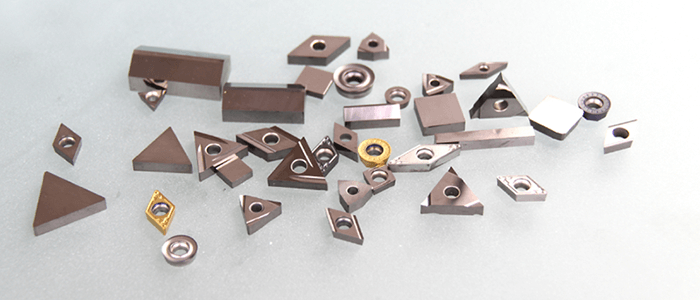
In the bearing car processing industry, for the groove, sealing groove, chamfering car processing generally adopts the forming tool, the workpiece material is GCr15, annealing hardness HB179 ~ 207, dry cutting (air-cooled). Since the hardness of the workpiece material and the cutting speed have a great influence on the tool life, combining with the tool material, the recommended cutting speed Vc for continuous dry cutting is 65 ~ 110m/min.
Because this kind of tool for large cross-section shape, the shape precision demand is higher, at the same time in order to ensure the efficiency, reduce the knife of time, needs to have high tool life, metal ceramic meet the requirements of the field, because it not only has good red hardness at high temperatures, can under the condition of dry cutting, bring the ultra high surface finish and long service life of cutting tools, so the cutter has higher cost performance.
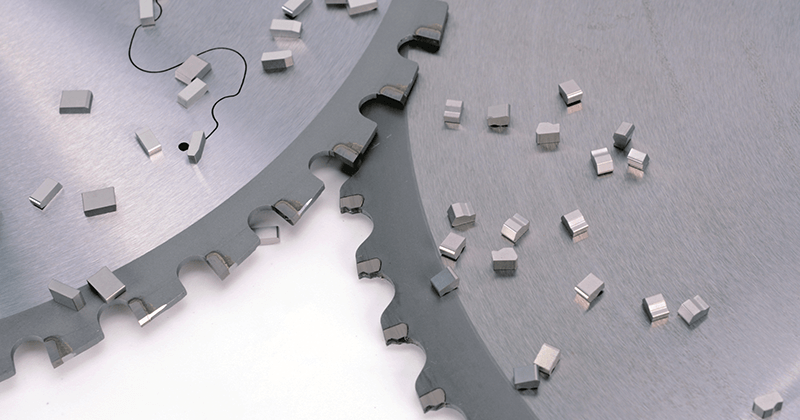
Cermet Saw Tips
Used for making cold saw, processing steel parts, cutting light nonstick chips, high cutting efficiency, life beyond expectations. The cut edges of the parts exhibit excellent surface smoothness and high precision.
TaiYuan Sanwu Tools Co.,Ltd
Add: No. 85 Zhengyang Street, Xiaodian District, Taiyuan City, Shanxi Province, China
Tel: +86-0351-7172172
Mobile: +86-18334702131
E-mail: Hale.liu@sanwutools.com
info@sanwutools.com
Web: https://sanwutools.com